
Are you considering installing a tarmac driveway but unsure if drainage is necessary? Look no further! In this article, we will delve into the importance of proper drainage for tarmac driveways.
We’ll explore common issues that arise without proper drainage and provide step-by-step guidance on how to install effective drainage systems.
With our maintenance tips, you’ll ensure your tarmac driveway stays in optimal condition for years to come.
So let’s dive in and discover why good drainage is crucial for your tarmac driveway’s longevity.
The Importance of Drainage for Tarmac Driveways
Proper drainage is crucial for tarmac driveways to prevent water damage. The importance of regular maintenance for tarmac driveways cannot be overstated. Without proper maintenance, the driveway can develop cracks and potholes, which can lead to water pooling and further damage. Regular inspection and cleaning of the drainage system are essential to ensure that it functions effectively.
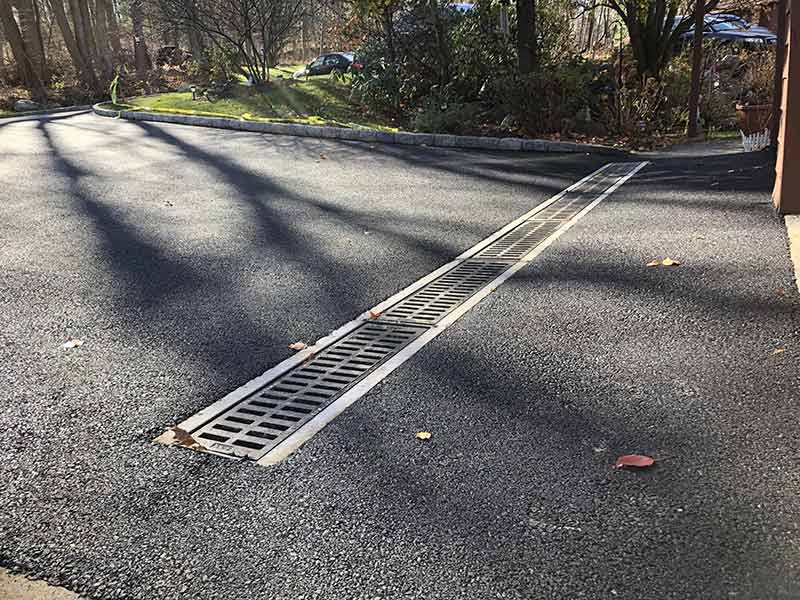
One common mistake to avoid when installing drainage for tarmac driveways is improper slope. The driveway should have a slight slope away from buildings or structures to allow water to flow freely towards the drain.
Another mistake is inadequate catch basins or grates, which can result in clogs and blockages. It is also important to choose the right type of drain based on the expected flow rate and volume of water runoff.
Common Drainage Issues With Tarmac Driveways
To avoid common drainage issues with your tarmac driveway, make sure you consider proper water runoff. Here are some common drainage problems faced by homeowners with tarmac driveways:
- Standing water: If water accumulates on your driveway and doesn’t drain properly, it can lead to damage and deterioration of the tarmac surface.
- Potholes: Poor drainage can cause water to seep into the underlying layers of your driveway, leading to the formation of potholes.
- Cracks and fissures: Excessive moisture due to inadequate drainage can cause cracks and fissures in the tarmac surface.
- Erosion: Improper water runoff can result in soil erosion around the edges of your driveway.
- Flooding: In cases of heavy rainfall, poor drainage can cause flooding on your driveway.
To address these issues, you can consider solutions such as installing a proper drainage system or adding permeable materials to improve water absorption. Regular maintenance and cleaning of drains is also important for preventing clogs and ensuring efficient water flow.
How to Properly Install Drainage for Tarmac Driveways
Make sure you install a drainage system for your tarmac driveway correctly to prevent common issues like standing water, potholes, cracks, erosion, and flooding.
Proper installation of a drainage system is crucial for maintaining the longevity and functionality of your driveway. The installation process involves several essential steps to ensure effective water management.
Firstly, you need to plan the layout of the drainage system carefully. Consider the slope of your driveway and identify low points where water could accumulate. Next, choose the appropriate type of drainage system based on your specific needs and budget.
Once you have selected the drainage system, follow these steps for installation:
- Excavate: Dig trenches along the edges of your driveway to create space for pipes or channels.
- Bedding layer: Fill the bottom of the trenches with a gravel bedding layer to promote proper water flow.
- Install drains: Place perforated pipes or pre-formed channels in the trenches and connect them to an outlet point.
- Backfill and compact: Fill in the trenches with additional gravel or aggregate material, ensuring it is compacted properly.
Maintenance Tips for Ensuring Effective Drainage on Tarmac Driveways
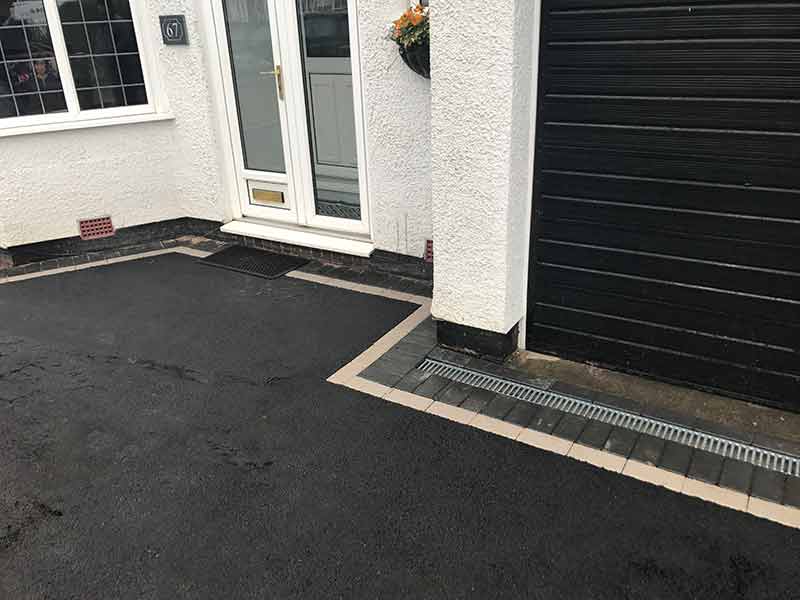
Regular maintenance is crucial for ensuring that your tarmac driveway’s drainage system functions effectively.
To keep your drainage system in top shape, here are some maintenance techniques and best practices to follow:
- Clean the drains regularly by removing any debris or leaves that may block the flow of water.
- Inspect the drains for any signs of damage such as cracks or clogs, and repair them promptly.
- Clear any vegetation or overgrown plants around the drains to prevent blockage.
- Check the slope of your driveway to ensure proper water runoff towards the drains.
- Consider using a sealant on your tarmac driveway to protect it from water damage.
My Conclusion
In conclusion, ensuring proper drainage for your tarmac driveway is crucial to avoid potential issues in the future. Remember, ‘prevention is better than cure.’
By addressing common drainage problems and following the correct installation procedures, you can maintain an effective drainage system.
Regular maintenance and cleaning will also help in preserving the functionality of your tarmac driveway.
So, don’t overlook the importance of drainage – it’s the key to a long-lasting and durable driveway.
Call us to get a price quote on a tarmac. Contact us today on 07595 510190 to receive a free quote or visit our website.

Having a tarmac driveway is a great way to add value and beauty to your home, but proper drainage is Read more
Car parks are vital infrastructural components that require regular maintenance to ensure their longevity and safety. The expertise of tarmac Read more
Do you ever wonder if diesel spills will soften tarmac? In this article, we will delve into the science behind Read more