
Having a tarmac driveway is a great way to add value and beauty to your home, but proper drainage is an essential part of keeping it in good condition. Without proper drainage, your driveway will become prone to damage from water and debris, and this can be difficult and costly to repair.
In this article, we’ll discuss the importance of proper drainage for your tarmac driveway and how it affects the overall condition of the surface. Poorly drained tarmac driveways can cause a number of issues, including cracking, puddles on the surface and water buildup under the pavement. Not only does this make your driveway look unappealing, but it also affects its longevity, as well as its ability to withstand wear and tear over time.
With a few simple steps, you can keep your tarmac driveway in top condition year after year. Read on to find out more about proper drainage for tarmac driveways!
Why Is Proper Drainage Important?
The importance of proper drainage for your tarmac driveway cannot be overstated. According to a study conducted by the National Association of Home Builders, up to 75% of all driveway runoff can be prevented by properly installing drainage systems.
This means that a well-draining driveway can help reduce the amount of water running off and into nearby streams, rivers, and other bodies of water, ultimately helping to protect the environment.
Properly draining driveways also help avoid erosion on the edges and sides of your tarmac surface. By redirecting water away from your driveway, you can prevent it from wearing down or cracking due to excessive water pooling at its surface.
Additionally, having an efficient drainage system in place helps keep debris out of your driveway’s pipes and channels, preventing them from becoming clogged. Keeping your drainage clear will ensure that rainwater is able to flow away quickly and efficiently without backing up or flooding your driveway.
How To Check Your Tarmac Driveway’s Drainage?
First of all, let’s talk about checking your driveway’s drainage levels. It’s important to make sure the water is running away from your property and not pooling in your driveway, so it’s worth taking the time to check.
Next, let’s look at identifying any drainage problems. If you notice any water collecting on the surface of the tarmac, it’s a sign there’s an issue that needs to be addressed. This could be caused by blocked drains, or a lack of adequate drainage in the first place.
Ultimately, proper drainage is essential to keep your tarmac driveway in good condition.
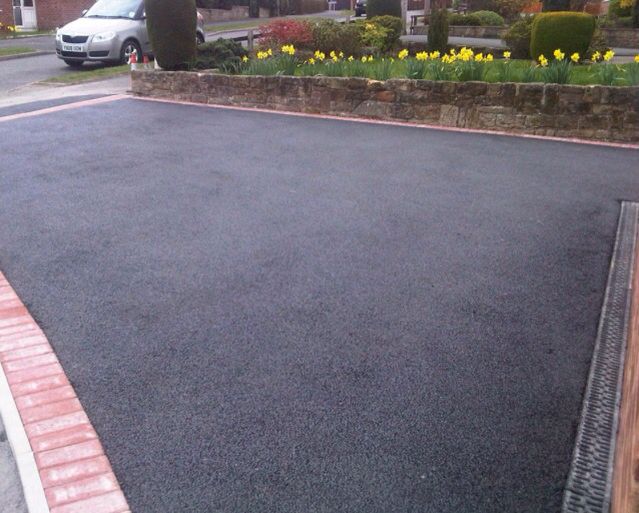
Checking Drainage Levels
Checking your tarmac driveway’s drainage is essential to ensuring runoff and preventing flooding.
Examine the pipes around your driveway for any blockages, such as leaves and dirt. If you notice any clogs, clear them away immediately – it’s much better to take care of it now than to have a costly issue later on.
Make sure the downspouts from your roof are directed away from your driveway, too.
Periodically check the area around the edge of your driveway for puddles or water pooling; if you spot any, make sure to adjust the direction of the runoff with graded soil or gravel.
Keep an eye out for cracks in your tarmac that could be caused by poor drainage – these can lead to bigger issues down the line if left unchecked.
Taking a few minutes to check up on drainage levels can help you avoid future hassles and keep your driveway looking great for years to come!
Identifying Drainage Problems
Once you’ve checked for blockages and made sure the downspouts are clear, it’s time to take a look for any signs of drainage problems.
Poorly managed water runoff can cause clogged gutters, soil saturation, and a host of other issues that can really put a damper on your driveway’s lifespan.
If you notice patches of standing water around the edges or cracks in the tarmac, you may be dealing with a drainage issue that needs to be addressed.
To make sure it doesn’t get worse, consider installing a French drain or other drainage system around the perimeter of your driveway to help direct water away from your home.
This is an easy way to protect your investment and keep your driveway looking great!
What Are The Benefits Of Proper Drainage?
Proper drainage of your tarmac driveway is essential for many reasons, both preventative and reactive. Firstly, water runoff can cause a great deal of damage to the surface of your driveway. Without proper drainage, pooled water can erode away at the surface and cause cracks and divots to form.
This will not only reduce the lifespan of your driveway but make it an eyesore. Regular preventative maintenance can help protect against this type of damage.
Having a proper drainage system in place to redirect water away from your tarmac driveway is the best way to ensure that it remains in good condition for years to come. Not only will it reduce the amount of maintenance needed, but it will also increase its longevity significantly by preventing any potentially damaging runoff from pooling near the surface.
Investing in adequate drainage solutions will be well worth it in the long run!
Frequently Asked Questions
What Is The Average Cost To Install Proper Drainage For A Tarmac Driveway?
‘You get what you pay for’ is the adage that rings true when considering the cost of installing proper drainage for your tarmac driveway.
The exact cost will depend on the size and complexity of your driveway, as well as any waterproofing costs associated with it.
Slope evaluation is also important to ensure that water runs away from your property and doesn’t pool on your driveway.
Depending on the slope of your driveway, you may also need additional drainage materials such as a french drain or a dry well.
On average, homeowners can expect to spend anywhere between £1,500-£2,600 on proper drainage installation for their tarmac driveways.
So if you’re looking to enjoy the freedom of having a safe and secure driveway without worrying about water damage, investing in proper drainage is worth every penny.
How Often Should I Inspect My Tarmac Driveway’s Drainage System?
When it comes to your tarmac driveway, the drainage system is one of the most important aspects of maintenance. Installing a DIY drainage solution can be a great way to ensure proper drainage, but inspecting it regularly is essential.
Clogged drains can quickly lead to bigger issues if not resolved in a timely manner. While there’s no definitive answer as to how often you should inspect your tarmac driveway’s drainage system, experts recommend doing so at least twice a year for best results.
This helps ensure that any potential problems are identified and fixed before they become too costly or damaging.
Is It Possible To Install Proper Drainage For An Existing Tarmac Driveway?
Is it possible to install proper drainage for an existing tarmac driveway? Absolutely!
There are a few waterproofing options, drainage design strategies and maintenance plans you can adopt to ensure your tarmac driveways’ longterm effectiveness.
To begin with, investing in a high-quality waterproofing material is essential for keeping water away from the driveway surface.
Designing the drainage system of your driveway correctly will also help prevent flooding and pooling of water.
Lastly, regular maintenance is key to maintaining your driveway’s integrity – inspecting all parts of the drainage system, such as gutters and downspouts, should be done every few months.
In taking these steps, you’ll enjoy a safe and effective tarmac driveway that lasts.
Are There Any Specific Maintenance Requirements For A Tarmac Driveway With Proper Drainage?
Proper drainage for a tarmac driveway is an absolute must.
But, it doesn’t end there.
Not only does the careful selection of drainage materials and ground slope considerations play a role in water runoff management, but ongoing maintenance is essential for any tarmac driveway with proper drainage to stay in top shape.
Failing to keep up with regular care can lead to erosion and other problems that will chip away at your freedom by taking time and money to fix.
So, don’t neglect your tarmac driveway’s drainage system – making sure it runs smoothly will give you more time to enjoy the freedom of your home!

What Types Of Drainage Systems Are Suitable For A Tarmac Driveway?
When it comes to drainage systems for tarmac driveways, there are several options to choose from.
Drainage materials like gravel and crushed stone are a great way to ensure water doesn’t puddle.
Additionally, proper slope design is essential; this will help prevent any standing water issues.
Lastly, installing a drainage solution like a French drain or swale can further enhance your driveway’s ability to handle rainwater quickly and efficiently.
So, when it comes to drainage systems for tarmac driveways, there’s no shortage of solutions available.
Conclusion
The cost of installing proper drainage for a tarmac driveway may seem daunting, but it’s worth it in the end.
Not only will your driveway look great and last longer, but the peace of mind that comes with knowing that it is safe and secure is invaluable.
Regular inspections and maintenance are key to keeping your tarmac driveway in good condition, so make sure you don’t overlook these important steps.
With proper drainage, you can ensure that your driveway looks its best for years to come.
As one wise old proverb says: An ounce of prevention is worth a pound of cure—so take care of your tarmac driveway and it’ll take care of you!
Call us to get a price quote on a tarmac. Contact us today on 07595 510190 to receive a free quote or visit our website.
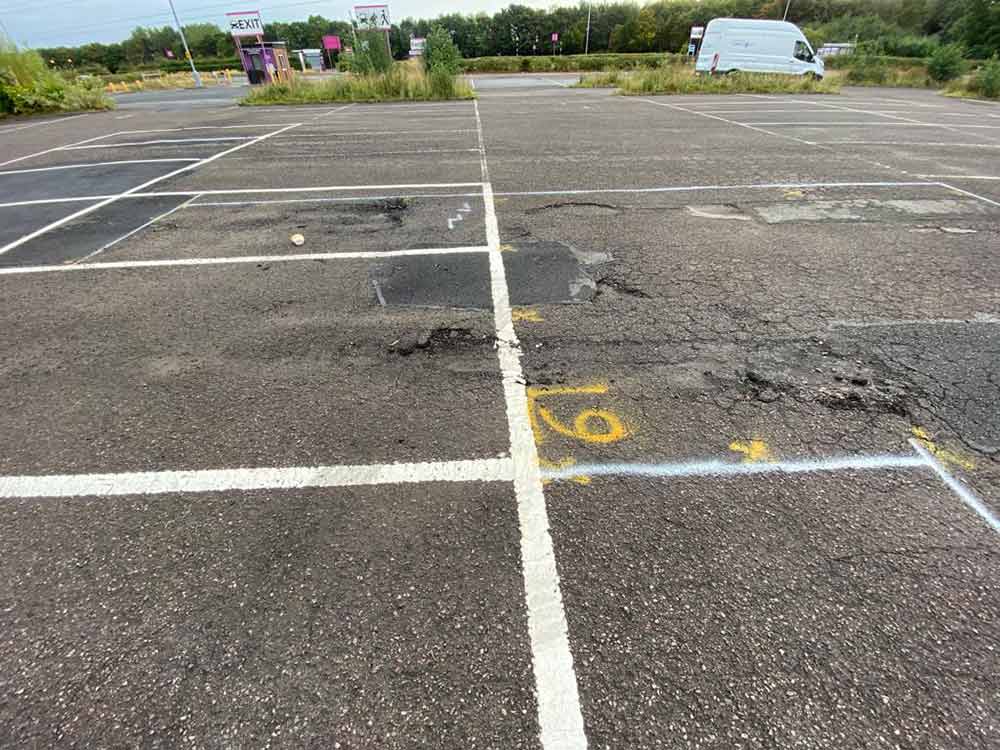
Car parks are vital infrastructural components that require regular maintenance to ensure their longevity and safety. The expertise of tarmac Read more

Are you considering installing a tarmac driveway but unsure if drainage is necessary? Look no further! In this article, we Read more
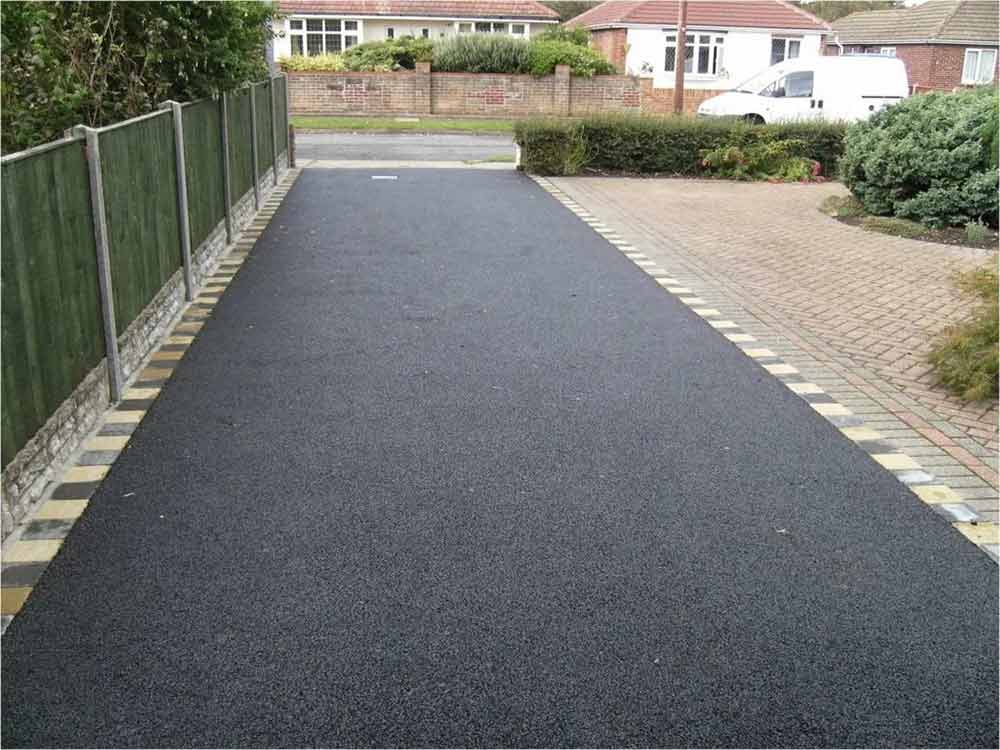
Do you ever wonder if diesel spills will soften tarmac? In this article, we will delve into the science behind Read more