
Are you itching to hit the pavement as soon as your tarmac is laid? Hold your horses! Before you take a step, let’s dive into the benefits of waiting, factors influencing drying time, and potential risks of premature walking.
Benefits of Waiting Before Walking on Tarmac
You shouldn’t walk on the tarmac right away because it can be harmful to your feet.
Waiting before walking on the tarmac offers several benefits that you should consider.
Firstly, waiting allows the tarmac to cool down, reducing the risk of burns or blisters on your feet. The intense heat absorbed by the tarmac during hot weather can reach temperatures that are unsafe for direct contact.
Secondly, waiting gives time for any debris or loose stones to be cleared from the surface, ensuring a safer walking experience.
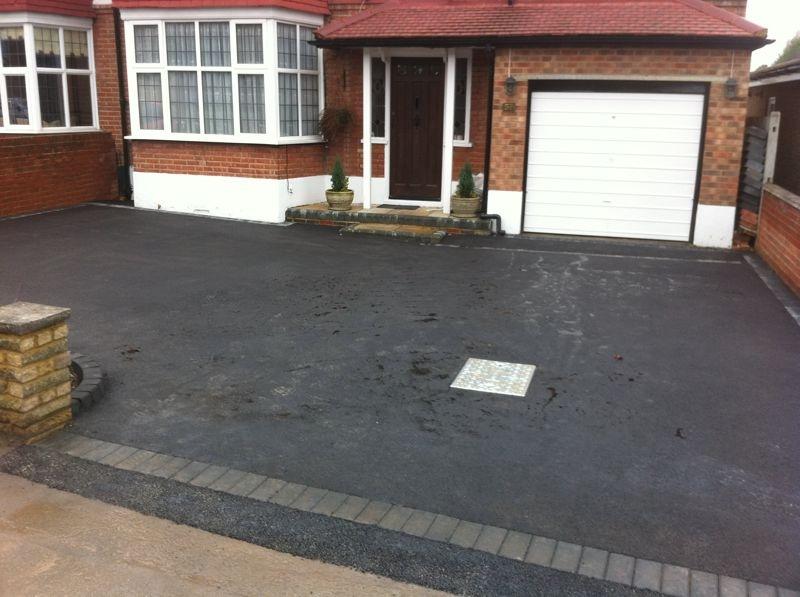
Factors Affecting the Drying Time of Tarmac
The drying time of tarmac can be affected by various factors. Environmental conditions play a crucial role in determining how quickly the tarmac dries. Factors such as temperature, humidity, and wind speed all impact the drying process. Higher temperatures and lower humidity levels promote faster drying, while cooler temperatures and higher humidity levels can prolong the drying time.
Additionally, thicker layers of tarmac take longer to dry compared to thinner ones. The thickness of the tarmac affects its ability to release moisture and evaporate water content, thereby influencing the overall drying time.
It’s important to consider these factors when planning construction or maintenance projects involving tarmac surfaces to ensure optimal drying conditions and timely completion of the project.
Potential Risks of Walking on Tarmac Too Soon
Be careful not to step on the freshly laid tarmac before it has fully dried, as there are potential risks involved. Walking on tarmac too soon can lead to tarmac abrasions, which are painful injuries caused by the rough texture of the surface. These abrasions can range from minor scrapes to deep cuts, depending on the force and duration of contact.
It is important to give tarmac enough time to heal before walking on it to avoid these injuries. The healing time for tarmac injuries can vary depending on factors such as temperature and humidity, but generally, it takes around 24-48 hours for the surface to harden completely.
During this time, it is best to avoid any unnecessary foot traffic or heavy objects that could damage the newly laid tarmac.
Tips for Properly Curing Tarmac Before Walking on It

Properly curing tarmac before walking on it is crucial to avoid potential damage or injuries. The tarmac curing time and hardening process are essential in ensuring a strong and durable surface.
After the tarmac has been laid, it needs time to cool and set properly.
This typically takes around 24 to 48 hours, depending on various factors such as weather conditions and the thickness of the layer.
During this time, it is important to keep foot traffic off the freshly laid tarmac to prevent any indentations or marks from forming. Additionally, avoiding heavy objects or vehicles is necessary to prevent any potential damage.
Conclusion
In conclusion, it’s highly recommended that you wait before walking on tarmac to allow it to properly cure.
While it may be tempting to step on it right away, doing so can result in various risks such as damage and reduced lifespan of the surface.
By giving the tarmac enough time to dry and harden, you ensure its durability and longevity.
So remember, patience is key when it comes to tarmac maintenance – your investment will thank you for it!
Call us to get a price quote on a tarmac. Contact us today on 07595 510190 to receive a free quote or visit our website.

Which Is Better for Driveway Tarmac or Asphalt?
When it comes to driveway construction, choosing the right material is crucial. Two popular options often considered are tarmac and asphalt. But which one is better

What Are the Two Layers of Tarmac?
Tarmac driveways are becoming increasingly popular due to their many benefits. Before understanding the tarmacking process, it’s important to know what exactly tarmac is. Also

Does Tarmac Need Planning Permission?
Are you considering installing a tarmac driveway? If so, you may be wondering whether planning permission is required for this type of project. Let’s explore the regulations surrounding
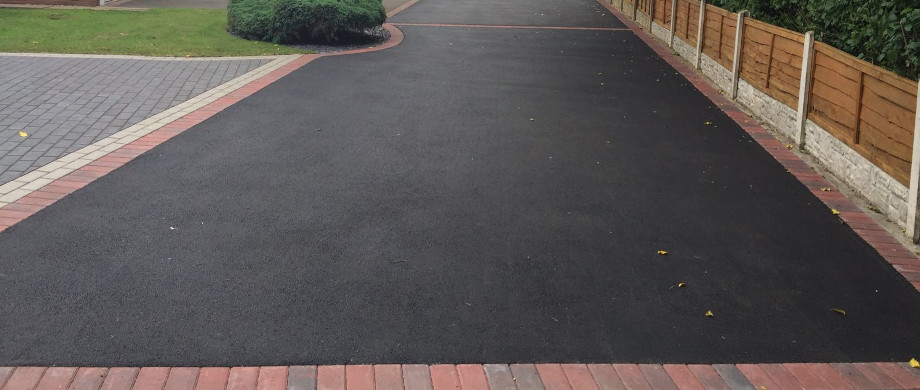
{Four Simple Ways Tarmac Driveways Can Make Your Life Easier in Newark-on-Trent.|These are 4 Easy Ways Tarmac Driveways can Make Read more

{5 Best Tarmac Driveway Designs in Newark-on-Trent|5 Best Tarmac Driveway Design Ideas in Newark-on-Trent|5 Best Tarmac Driveway Options in Newark-on-Trent|5 Read more
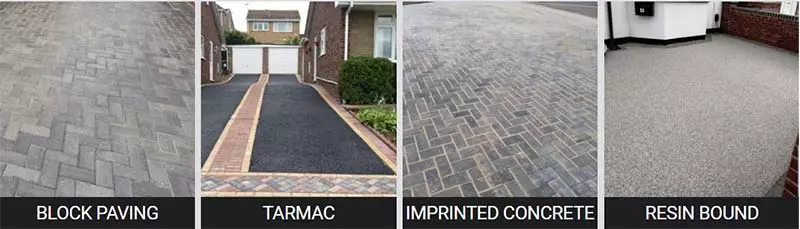
{Tarmac, Block Paving or Concrete, or Resin Bound.|Tarmac, block Paving, Concrete, Resin Bound.|Tarmac or Block Paving? Concrete or Resin Bound?|Tarmac Read more