

Are you considering installing a tarmac driveway? If so, you may be wondering whether planning permission is required for this type of project. Let’s explore the regulations surrounding tarmac driveways and shed some light on the subject.
When it comes to planning permission, the key factor to consider is whether the driveway construction involves laying traditional, impermeable surfacing. If the area to be covered is more than five square meters, planning permission is generally needed.
However, there’s good news if you’re planning to resurface your existing driveway. In most cases, resurfacing does not require planning permission. This means you can give your tarmac driveway a fresh look without the hassle of seeking approval.
It’s worth noting that there are alternatives to traditional tarmac driveways that are both aesthetically pleasing and environmentally friendly. Permeable surfacing options, such as gravel or porous asphalt, are not only suds compliant but also do not require planning permission.
So, before you embark on your tarmac driveway project, it’s important to consider the planning permission requirements and explore alternative options if necessary. By doing so, you can ensure a hassle-free and compliant construction process.
Understanding Suds Compliance and Drainage for Tarmac Driveways
When it comes to tarmac driveways, understanding suds compliance and drainage is essential for a successful installation. Suds compliance refers to ensuring that surface water from hard landscaped areas does not contribute to mains drains or overflow onto the pavement and public highway. This is crucial for preventing flooding and maintaining the integrity of the surrounding environment.
In terms of tarmac driveways, traditional, impermeable surfaces may not meet suds compliance requirements unless a proper drainage system is in place. This means that if you’re considering installing a tarmac driveway, it’s important to assess the existing drainage capabilities of your property and take necessary measures to ensure compliance.
Permeable surfacing options, such as gravel or porous asphalt, are suds compliant as they allow water to pass through, reducing the risk of flooding.
However, tarmac driveways, which are impermeable by nature, require additional considerations for achieving suds compliance.
One solution is the use of drainage systems, such as aco drains or directing water to designated areas in the garden.
These measures help to collect and redirect water away from the driveway, ensuring proper drainage and meeting suds compliance requirements.
Benefits of Proper Tarmac Driveway Maintenance
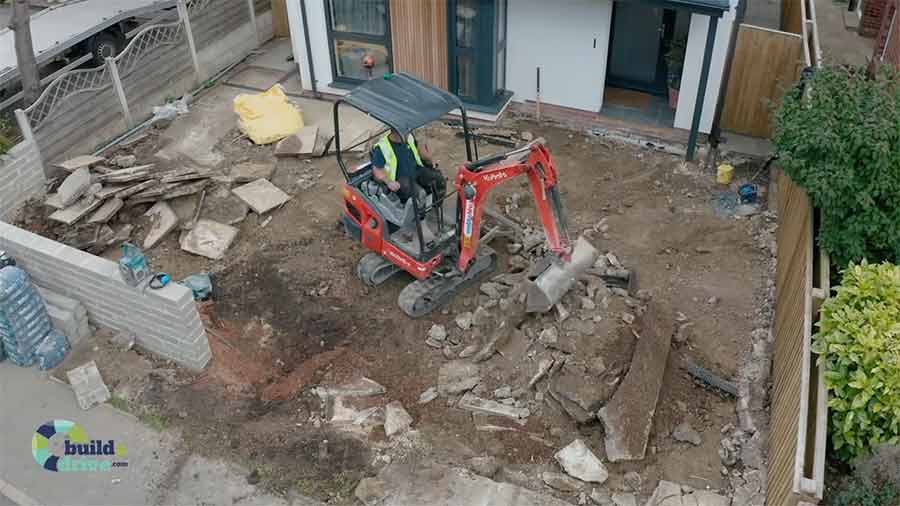
In addition to suds compliance, proper maintenance of tarmac driveways is essential for ensuring effective drainage and avoiding potential issues such as pooling water and deterioration of the surface. Regular maintenance tasks include cleaning, sealing cracks, and repairing any damage that may affect the overall functionality of the driveway.
By keeping your tarmac driveway in good condition, you can prevent water from accumulating on the surface and ensure that it flows away efficiently. This not only helps to maintain the durability and lifespan of your driveway but also contributes to the overall aesthetics and functionality of your property.
Summary
Understanding suds compliance and drainage is crucial when it comes to tarmac driveways. Traditional, impermeable surfaces may not meet suds compliance requirements, necessitating the use of additional drainage solutions. By incorporating proper drainage systems and regularly maintaining your tarmac driveway, you can ensure effective water management and prevent issues such as flooding and surface deterioration.
Next, we will explore alternative options to tarmac driveways, highlighting their drainage capabilities and aesthetic appeal.
Alternatives to Tarmac Driveways
When it comes to choosing a driveway surface, tarmac is a popular option for its durability and affordability. However, if you’re looking for alternatives to tarmac driveways, there are a few options that offer both aesthetic appeal and efficient drainage.
One alternative to consider is resin bonded aggregate. This surfacing option involves applying a layer of resin to the existing tarmac surface and then scattering aggregate on top. The result is a decorative and slip-resistant driveway that can incorporate both old and new surfaces. Resin bonded aggregate driveways also provide excellent drainage capabilities, allowing water to flow through the surface and into the ground.
Another option to explore is resin bound aggregate. This type of driveway surfacing involves mixing resin with aggregate before applying it to the tarmac base. Resin bound aggregate driveways are highly durable and require minimal maintenance. They also offer a range of design possibilities, as the resin can be mixed with various aggregate colors to create a unique and visually appealing driveway.
Decorative Drainage Options
To complement your chosen alternative to tarmac driveways, decorative drainage options can be incorporated. One example is gravel cutouts, which allow water to flow through the surface and into a drainage system. These cutouts can be arranged in decorative patterns, adding an element of visual interest to your driveway.
It’s important to consider both the drainage capabilities and aesthetic appeal when choosing an alternative to tarmac driveways. Consulting with professionals who specialise in driveway paving can help you make an informed decision that suits your specific needs and preferences.
| Alternative | Drainage Capabilities | Aesthetic Appeal |
|---|---|---|
| Resin Bonded Aggregate | Excellent | Decorative and slip-resistant |
| Resin Bound Aggregate | Excellent | Wide range of design possibilities |
| Tarmac Driveways | Requires additional drainage solutions | Standard and uniform appearance |
| Gravel Cutouts | Redirects water to drainage system | Decorative patterns available |
Conclusion
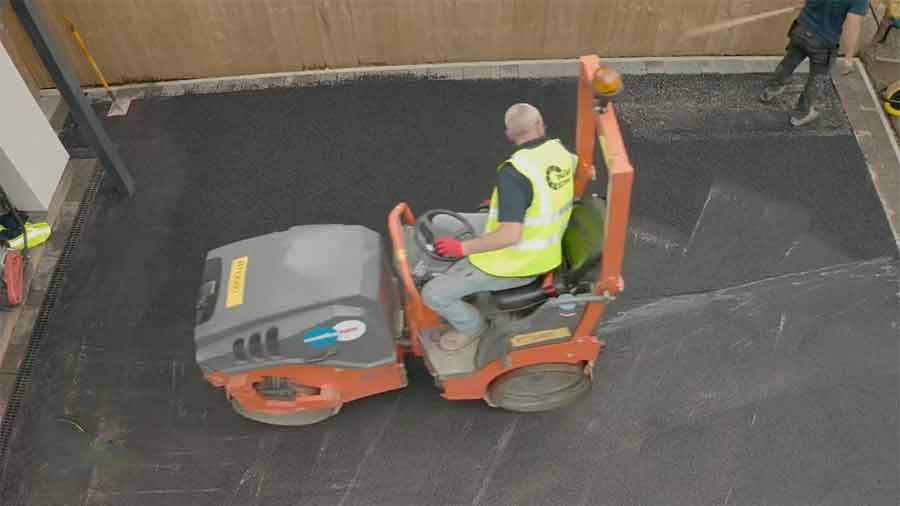
Before embarking on any tarmac driveway construction or resurfacing project in Newark, it is crucial to familiarise yourself with the planning permission requirements. For traditional, impermeable driveways exceeding five square meters, planning permission is likely necessary. However, permeable surfacing options such as gravel or porous asphalt offer a convenient alternative that does not require planning permission.
In order to meet planning permission requirements for tarmac driveways, proper drainage solutions like rain gardens or soakaways should be implemented.
These solutions not only help with compliance but also contribute to sustainable water management in the local area. If you’re looking for an alternative to tarmac driveways, resin bonded aggregate or resin bound aggregate options offer a durable and aesthetically pleasing solution. These options can be applied on existing surfaces, such as tarmac or block paving, providing a weed-free and low-maintenance driveway.
When undertaking any driveway construction, it is advisable to consult with professionals who are well-versed in local regulations. By doing so, you can ensure a smooth and compliant tarmac driveway construction process in Newark.
Call us to get a price quote on a tarmac. Contact us today on 07595 510190 to receive a free quote or visit our website.
Source Links
- https://www.uksurfacings.com/news/paving-planning-permissions/
- https://www.drive-cote.co.uk/2013/04/tarmac-driveways-planning-permission-required/
- https://loftera.co.uk/driveway/do-i-need-planning-permission-for-a-driveway/

Having a tarmac driveway is a great way to add value and beauty to your home, but proper drainage is Read more
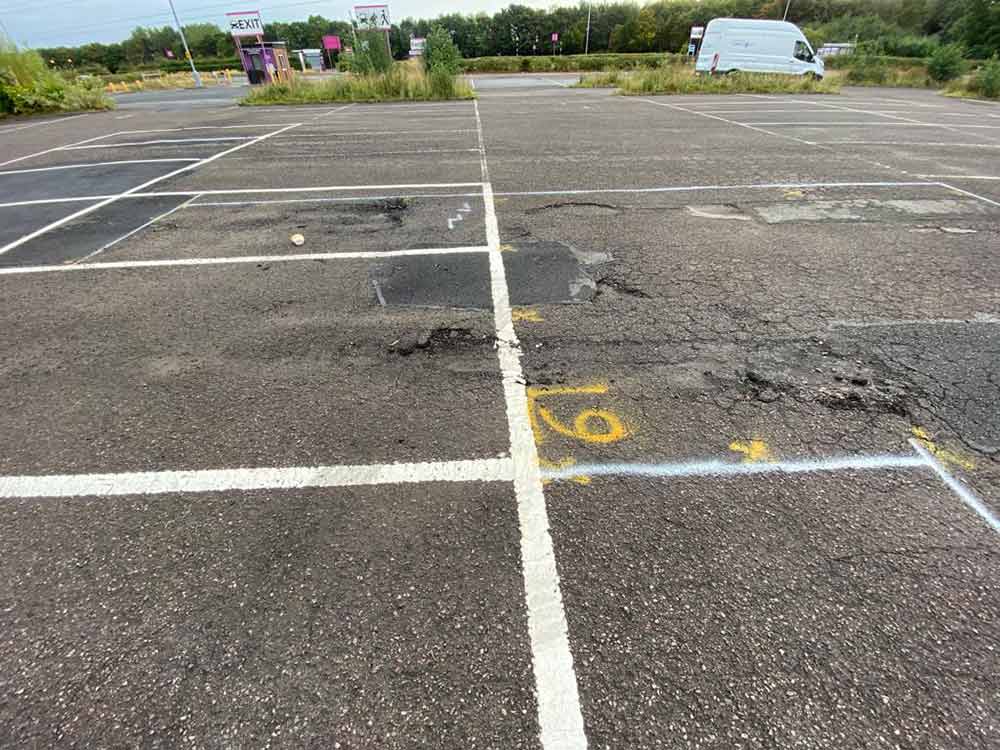
Car parks are vital infrastructural components that require regular maintenance to ensure their longevity and safety. The expertise of tarmac Read more

Are you considering installing a tarmac driveway but unsure if drainage is necessary? Look no further! In this article, we Read more