

A tarmac driveway is a reliable and resilient surface option for homeowners in the United Kingdom. Unlike other driveway surfaces, such as block paving or gravel, tarmac is impermeable to water absorption. It is composed of small stones or concrete pieces that are bonded together with a tar-like surface, creating a seal that prevents water from seeping into the soil.
Block paving and gravel, on the other hand, allow water to flow through the small gaps between the individual pieces of material, making them permeable surfaces. These materials are considered more environmentally friendly as they help prevent flooding and protect the soil and groundwater from excessive water accumulation.
Resin-bound driveways also offer permeability, allowing water to drain through the surface. However, resin bonded surfaces do not provide the same level of permeability. Imprinted concrete and standard tarmac driveways are not suitable for permeable installations and do not allow water to drain properly.
Choosing a permeable driveway surface, such as tarmac with its impermeable properties, is essential for effective water drainage. It not only helps prevent flooding but also safeguards the soil and groundwater, contributing to a more environmentally friendly solution for your home’s driveway.
In the following sections, we will explore the composition and construction process of tarmac driveways, as well as discuss the benefits of permeable surfaces and offer guidance on maintaining and repairing your tarmac driveway. We will also provide insights on choosing a tarmac driveway for your home, including cost considerations, installation process, and finding reputable contractors.
Understanding Tarmac Driveways
Tarmac driveways, also known as asphalt driveways, are constructed using small stones or concrete pieces bonded together with a tar-like substance. This combination creates a durable and hard-wearing surface that is commonly used for residential driveways in the UK. Tarmac driveways offer numerous benefits, including their strength, longevity, and aesthetic appeal.
One of the key features of tarmac driveways is their impermeability to water.
Unlike some other driveway surfaces, such as block paving or gravel, tarmac does not allow water to soak through.
The small stones or concrete pieces are tightly bonded together, creating a seal that prevents water from seeping into the soil.
This property makes tarmac driveways a popular choice in areas prone to heavy rainfall, as they help to minimize the risk of flooding.
Another advantage of tarmac driveways is their ease of installation. The process involves preparing the underlying ground, laying a base layer of crushed stone, and then applying the tarmac mixture. Once the tarmac has been laid, it is compacted and smoothed to create a flat and even surface. This straightforward installation process makes tarmac driveways a cost-effective option for homeowners looking to enhance the appearance and functionality of their properties.
In summary, tarmac driveways are made up of small stones or concrete pieces bonded together with a tar-like substance, creating a durable and impermeable surface. They are an excellent choice for homeowners seeking a long-lasting and low-maintenance driveway. For those interested in sustainable options, however, permeable surfaces like block paving and gravel may be more suitable, as they allow water to flow through and help protect the environment.
Table: Comparing Driveway Surfaces
| Driveway Surface | Permeability |
|---|---|
| Tarmac | No |
| Block Paving | Yes |
| Gravel | Yes |
| Resin-Bound | Yes |
| Resin Bonded | No |
| Imprinted Concrete | No |
Water Resilience of Tarmac Driveways
Due to its composition and sealing properties, a tarmac driveway does not allow water to soak through. Unlike permeable surfaces such as block paving and gravel, tarmac is impermeable, meaning it creates a seal that prevents water from seeping into the soil. This makes tarmac driveways a popular choice for homeowners in the UK.
Block paving and gravel driveways, with their small gaps between individual pieces of material, allow water to flow through, making them more environmentally friendly. These permeable surfaces help prevent flooding by allowing water to drain properly and protect the soil and groundwater. On the other hand, resin-bound driveways are also permeable, while resin bonded surfaces are not.
Comparison of Driveway Surfaces
| Driveway Surface | Water Permeability |
|---|---|
| Tarmac | Impermeable |
| Block Paving | Permeable |
| Gravel | Permeable |
| Resin-Bound | Permeable |
| Resin Bonded | Not Permeable |
| Imprinted Concrete | Not Permeable |
It is worth noting that both imprinted concrete and standard tarmac driveways are not suitable for permeable installations. Therefore, if water drainage is a concern, it is important to choose a permeable driveway surface such as block paving, gravel, or resin-bound.
Overall, tarmac driveways provide excellent water resilience due to their impermeable nature. They are a durable and low-maintenance option for homeowners, offering a sleek and uniform appearance. However, for those looking for a permeable solution that allows water to drain properly and supports environmental sustainability, other options like block paving, gravel, or resin-bound driveways may be more suitable.
Comparing Tarmac to Other Driveway Surfaces
Unlike tarmac driveways, surfaces like block paving, gravel, and resin bonded surfaces are permeable, allowing water to flow through the gaps between individual pieces of material. This permeability is one of the key advantages of these alternatives, as it helps prevent water buildup and improves drainage. Block paving, for example, consists of individual bricks or blocks laid in patterns and allows rainwater to seep into the ground.
Gravel driveways, on the other hand, are made up of small stones that create natural gaps, allowing water to penetrate the surface and be absorbed by the soil beneath. This not only helps prevent flooding and water accumulation but also benefits the surrounding environment by replenishing groundwater and reducing the strain on drainage systems.
Resin-bound driveways are another popular choice for those seeking a permeable surface. The small stones or aggregates are bound together with a clear resin, creating a smooth and durable finish. This type of surface allows water to drain through the gaps between the stones, reducing the risk of standing water and potential damage.
It’s important to note that not all surfaces offer this permeable advantage. For example, resin bonded surfaces, imprinted concrete, and standard tarmac do not allow water to flow through. These surfaces can create issues with water runoff and drainage, potentially causing flooding and damage to the surrounding areas. Therefore, when considering a driveway surface, it’s crucial to assess the requirements of your environment and opt for a permeable solution if water drainage is a concern.
| Driveway Surface | Permeability |
|---|---|
| Block Paving | Permeable |
| Gravel | Permeable |
| Resin-Bound Driveways | Permeable |
| Resin Bonded Surfaces | Non-permeable |
| Imprinted Concrete | Non-permeable |
| Standard Tarmac | Non-permeable |
Benefits of Permeable Driveway Surfaces
Opting for a permeable driveway surface offers various advantages, such as effective water drainage and safeguarding the environment from flooding. Unlike tarmac driveways, which are impermeable and prevent water from seeping through, permeable surfaces like block paving and gravel allow water to flow through the small gaps between the individual pieces of material.
Permeable driveways are considered more environmentally friendly as they help prevent flooding and protect the soil and groundwater. When rainwater falls on a permeable driveway, it is absorbed into the ground instead of pooling on the surface. This not only reduces the risk of flooding but also replenishes the natural water supply and prevents water runoff from carrying pollutants into rivers and streams.
Another advantage of choosing a permeable driveway is the improved water drainage it provides. By allowing water to seep into the ground, these surfaces help to mitigate water runoff, which can lead to erosion and water pollution. This is especially important in areas with heavy rainfall or where the ground is already saturated.
| Driveway Surface | Permeability |
|---|---|
| Tarmac | Impermeable |
| Block Paving | Permeable |
| Gravel | Permeable |
| Resin-Bound | Permeable |
| Resin Bonded | Impermeable |
| Imprinted Concrete | Impermeable |
It is important to note that not all driveway surfaces are permeable. While tarmac is a popular choice due to its durability and affordability, it is not suitable for those looking for improved water drainage. If water management and environmental impact are important considerations for you, it is advisable to opt for a permeable driveway surface such as block paving, gravel, or resin-bound driveways.
Summary
- Permeable driveway surfaces allow water to flow through, improving water drainage and preventing flooding.
- Block paving, gravel, and resin-bound driveways are examples of permeable surfaces.
- Tarmac driveways are impermeable and do not allow water to soak through.
- Choosing a permeable driveway helps protect the environment by reducing water runoff and preventing pollution.
By understanding the benefits of permeable driveway surfaces, homeowners can make an informed decision when it comes to selecting the most suitable option for their needs, considering both functionality and environmental impact.
Maintaining and Repairing Tarmac Driveways
Proper maintenance and occasional repairs, such as sealing and resurfacing, are key to keeping your tarmac driveway in excellent condition. By taking care of your driveway, you can enhance its lifespan and maintain its aesthetic appeal. To help you with the maintenance process, here are some essential tips and guidance:
Sealing:
Regularly sealing your tarmac driveway is crucial in preventing cracks and water damage. A high-quality sealant creates a protective barrier that shields the surface from harmful elements and prolongs its durability. It is recommended to apply a sealant every 2-5 years, depending on the wear and tear your driveway experiences. Before sealing, make sure to clean the surface thoroughly and let it dry completely. Apply the sealant evenly, following the manufacturer’s instructions, and allow sufficient time for it to cure.
Resurfacing:
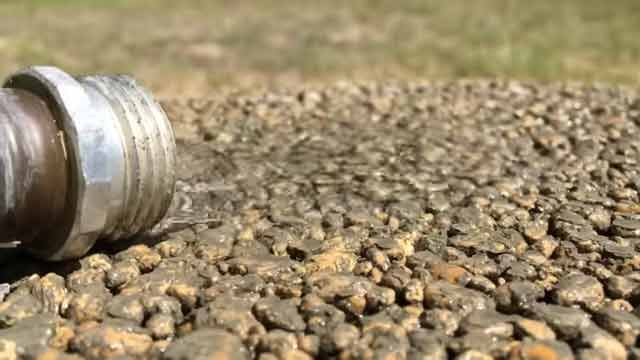
If you notice significant damage, such as extensive cracks, potholes, or uneven surfaces, resurfacing your tarmac driveway may be necessary. Resurfacing involves applying a new layer of tarmac over the existing surface to restore its smoothness and functionality.
This process not only repairs the damage but also rejuvenates the appearance of your driveway. It is advisable to consult a professional contractor to assess the condition of your driveway and determine if resurfacing is required. They will ensure proper preparation, leveling, and application for a long-lasting result.
Regular Maintenance:
Besides sealing and resurfacing, regular maintenance practices can significantly extend the lifespan of your tarmac driveway. Here are some simple yet effective maintenance tasks you can perform:
- Regularly sweep or use a leaf blower to remove debris, leaves, and dirt from the surface.
- Avoid using sharp objects or heavy machinery that may damage the tarmac surface.
- Immediately clean spills or oil stains to prevent them from penetrating and causing damage.
- Inspect the driveway for any signs of cracks, potholes, or loose edges, and address them promptly to prevent further deterioration.
By following these maintenance and repair practices, you can ensure that your tarmac driveway remains in optimal condition for years to come. Remember, periodic sealing and resurfacing, along with regular maintenance, will help protect your investment and keep your driveway looking its best.
Complete table:
| Driveway Surface | Permeable |
|---|---|
| Tarmac | No |
| Block Paving | Yes |
| Gravel | Yes |
| Resin-Bound | Yes |
| Resin Bonded | No |
| Imprinted Concrete | No |
Choosing a Tarmac Driveway for Your Home
When selecting a tarmac driveway for your home, considering factors like cost, installation process, and the expertise of contractors is important.
Tarmac driveways are a popular choice for homeowners in the UK due to their durability and low maintenance requirements. The installation process involves laying a mixture of small stones or concrete pieces on a prepared surface and then applying a tar-like substance to create a smooth and solid finish. This creates a seal that prevents water from seeping through, making tarmac driveways impermeable to water absorption.
It is worth noting that tarmac driveways are not permeable like block paving or gravel surfaces. These permeable surfaces allow water to flow through the gaps between the individual pieces of material, offering environmental benefits such as improved water drainage and protection of soil and groundwater. Resin-bound driveways are also permeable, while resin bonded surfaces are not suitable for permeable installations. Imprinted concrete and standard tarmac are likewise not suitable for permeable driveways.
When it comes to cost, tarmac driveways are a cost-effective option compared to other materials. The installation process is relatively straightforward, but it is essential to find reputable tarmac driveway contractors who have the expertise and experience to deliver a high-quality result. Requesting multiple quotes and checking reviews from previous customers can help ensure you select a contractor that meets your requirements and budget.
Call us to get a price quote on a tarmac. Contact us today on 07595 510190 to receive a free quote or visit our website.
Source Links
- https://www.drivewayexpert.co.uk/what-counts-permeable-driveway-surface.html
- https://www.mybuilder.com/questions/v/40345/tarmac-driveway-regards-to-drainage-and-dpc
- https://www.northeastpavingandgardens.co.uk/permeable-paving-for-driveways/
Having a tarmac driveway is a great way to add value and beauty to your home, but proper drainage is Read more
Car parks are vital infrastructural components that require regular maintenance to ensure their longevity and safety. The expertise of tarmac Read more

Are you considering installing a tarmac driveway but unsure if drainage is necessary? Look no further! In this article, we Read more