

When it comes to maintaining your tarmac driveway, regular resealing is key to ensuring its longevity and protecting your investment. Industry standards recommend adding a fresh coat of sealant to your tarmac driveway every two years. This helps safeguard your driveway from the wear and tear caused by harsh sunlight, rain, snow, freezing temperatures, road salts, and heavy traffic.
Sealing your tarmac driveway regularly can prevent cracks, oil leaks, and other forms of damage. However, it is important to note that sealing an asphalt driveway too soon can trap oils within the asphalt, making it too soft or flexible. Therefore, it is essential to follow the recommended resealing frequency to avoid any potential issues.
If you have a concrete driveway, resealing should be done approximately every five years to avoid the development of hairline cracks. By staying on top of resealing, you can effectively maintain the durability and appearance of your tarmac driveway for years to come.
For tarmac driveway installation, cost, design, maintenance, and other related services, it is advisable to consult tarmac driveway specialists, contractors, or a reputable tarmac driveway company.
How to Determine When to Reseal Your Tarmac Driveway
Regular resealing of your tarmac driveway is crucial to maintain its longevity and prevent costly damage. But how do you know when it’s time to reseal?
Here are some indicators to look out for:
- Drying Unevenly After Rain: After a rainfall or when you hose down your driveway, observe how it dries. If you notice that certain areas dry more slowly or unevenly compared to others, it could be a sign that your driveway needs a fresh coat of sealant.
- Cracks in the Driveway: Keep an eye out for any cracks that develop in your tarmac driveway. Cracks not only make your driveway look unsightly, but they also allow water and other substances to penetrate the surface, leading to further damage. If you notice cracks, it’s time to consider resealing.
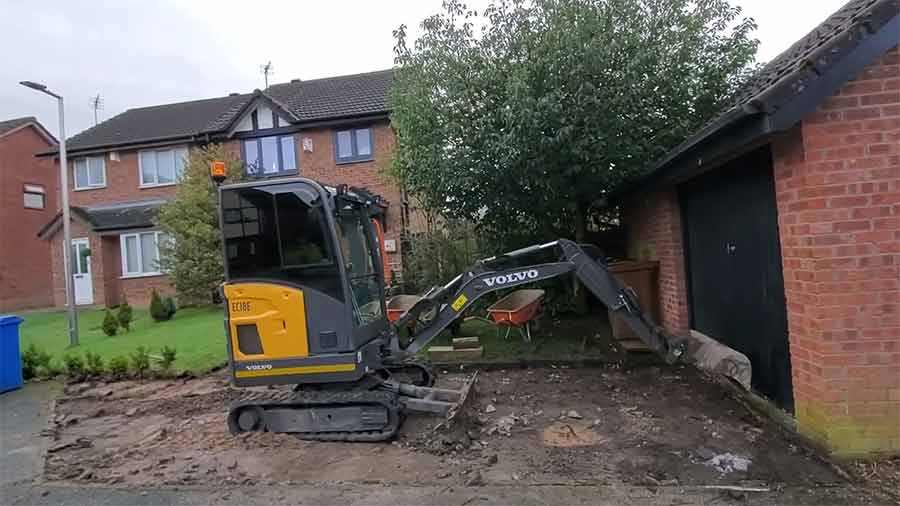
By addressing these signs promptly, you can prevent the deterioration of your tarmac driveway and avoid expensive repairs down the line. Additionally, it is recommended to reseal your driveway every two years as part of regular maintenance. This proactive approach will extend the lifespan of your driveway and keep it looking pristine for years to come.
Best Time to Sealcoat Your Driveway
Choosing the right time to sealcoat your tarmac driveway is crucial for optimal results. In general, the best time to sealcoat is during the summer months when temperatures are consistently warm and dry. This allows the sealant to cure properly and achieve maximum effectiveness.
Avoid sealcoating during periods of rain or high humidity, as moisture can interfere with the curing process and compromise the quality of the sealant. It is also important to check the weather forecast and ensure that there are no rain showers expected for at least 24 to 48 hours after the sealcoating process.
By selecting the right time for sealcoating, you can ensure that your tarmac driveway receives the protection it needs and maintains its durability and appearance for years to come.
| Signs that Your Driveway Needs Resealing | Best Time to Sealcoat Your Driveway |
|---|---|
| Drying unevenly after rainCracks in the driveway | During the summer months when temperatures are warm and dry |
How to Seal and Maintain Your Tarmac Driveway
Proper maintenance and regular sealing are vital to keep your tarmac driveway in optimal condition. By following the correct process and taking necessary precautions, you can ensure its longevity and durability. Here’s a step-by-step guide to help you seal and maintain your tarmac driveway:
Preparing the Driveway for Sealing
Prior to sealing your tarmac driveway, proper preparation is essential. Start by thoroughly cleaning the surface using a pressure washer or a stiff broom to remove any dirt, debris, or vegetation. Next, inspect the driveway for cracks and repair them using a suitable crack filler. It’s important to ensure the surface is dry before proceeding with the sealing process.
The Tarmac Driveway Sealing Process
Once the driveway is clean and free of cracks, you can proceed with the sealing process. Begin by stirring the sealant thoroughly to ensure a consistent mixture. Apply the first coat of sealant using a brush or squeegee, working from one end of the driveway to the other in a systematic manner. Allow the first coat to dry completely, usually around eight hours, before applying the second coat. The second coat should be applied in the same manner as the first, ensuring even coverage across the entire surface. After the final coat, allow the sealant to dry for another eight hours before walking on the driveway and up to 48 hours before driving on it.
Tarmac Driveway Maintenance Tips
Maintaining your tarmac driveway can help extend its lifespan and keep it looking its best.

Here are some essential maintenance tips:
- Regularly remove any debris or leaves from the surface.
- Use a broom or leaf blower to clear away dirt and dust.
- Immediately clean up any oil or fuel spills to prevent staining.
- Avoid using sharp tools or heavy machinery on the surface to prevent damage.
- Periodically inspect the driveway for cracks or signs of wear and repair them promptly.
- Consider applying a fresh coat of sealant every one to three years to maintain its protective layer.
By following these maintenance practices, you can enjoy a well-maintained and long-lasting tarmac driveway.
| Aspect | DIY Driveway Sealing Cost | Professional Driveway Sealing Cost |
|---|---|---|
| Average Cost | £40 – £165 per 5-gallons of product | £173 – £707 for an average-sized driveway |
| Duration | 2-3 days (including preparation) | Dependent on contractor and driveway size |
Conclusion
Sealing your tarmac driveway is crucial for its longevity and protecting your investment. By regularly sealing your driveway every two years, you can prevent damage and increase its lifespan. Not only does sealing provide practical benefits, but it also enhances the curb appeal of your property.
Sealing tarmac driveways is a cost-effective solution to protect against the elements. It shields the surface from harsh sunlight, rain, snow, freezing temperatures, and road salts, which can deteriorate the integrity of the tarmac. By investing in regular sealing, you can save on potential repair costs in the long run.
If you’re looking for an alternative to traditional sealing methods, tarmac restorers are an excellent option. These products can seal cracks, prevent water penetration, and increase durability. They can be easily purchased from hardware stores and applied following the provided instructions. Tarmac restorers typically last 1-2 years before resealing is necessary, providing an additional layer of protection for your driveway.
Sealing asphalt driveways not only benefits their durability but also adds value to your property. A well-maintained and sealed driveway enhances the overall appearance of your home, contributing to its curb appeal. Whether you choose to seal your tarmac driveway yourself or hire a professional contractor, proper application and preparation are key to achieving optimal results.
Call us to get a price quote on a tarmac. Contact us today on 07595 510190 to receive a free quote or visit our website.
Source Links
- https://www.angi.com/articles/how-often-should-you-seal-a-driveway.htm
- https://www.northeastpavingandgardens.co.uk/how-often-should-asphalt-driveway-be-sealed/
- https://jordanssurfacing.co.uk/tarmac-restorer-what-is-it-and-how-long-does-it-last/
Having a tarmac driveway is a great way to add value and beauty to your home, but proper drainage is Read more
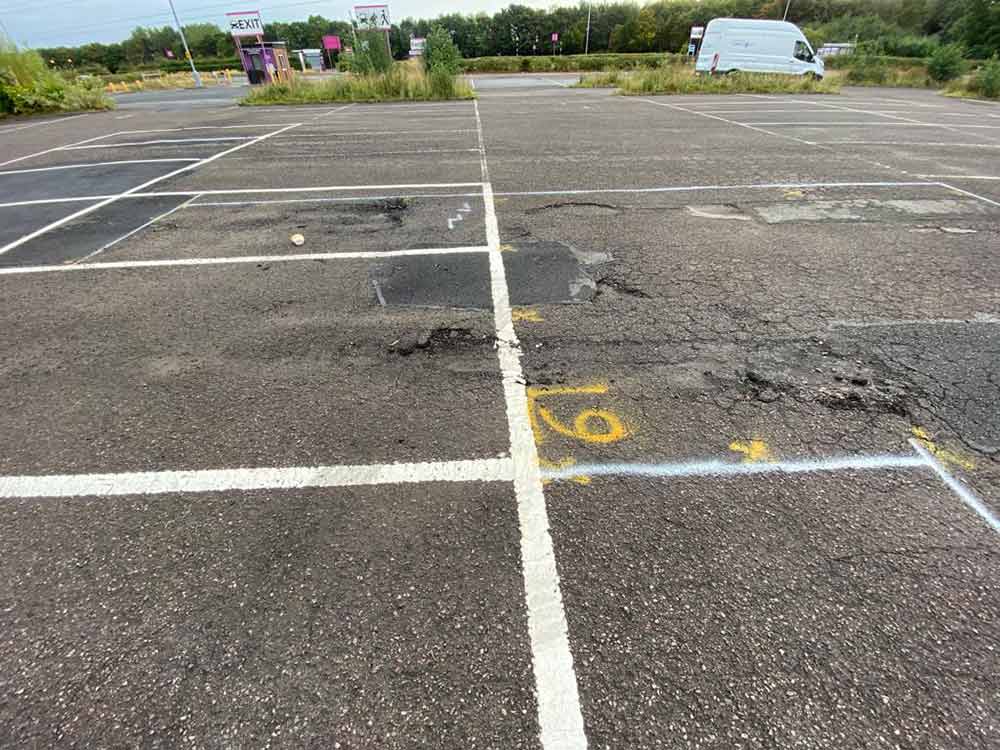
Car parks are vital infrastructural components that require regular maintenance to ensure their longevity and safety. The expertise of tarmac Read more

Are you considering installing a tarmac driveway but unsure if drainage is necessary? Look no further! In this article, we Read more